
ArachNeeds — Philippine Invertebrate Platform
← Back to Species Database

Regal Jumping Spider

Phidippus regius

An active, visually sophisticated jumping spider known for its remarkable hunting ability, elaborate courtship, and striking differences between males and females.

LIFESTYLE: Arboreal
DIFFICULTY: Beginner
ADULT SIZE: Typically 0.5–0.6 in (12–15 mm) body length. Larger females may reach approximately 0.9 in (22 mm).
GROWTH RATE: Fast
TEMPERATURE: 22–27°C (72–81°F)
HUMIDITY: Moderate; fine drinking droplets, localized moisture, and good ventilation.

About This Species

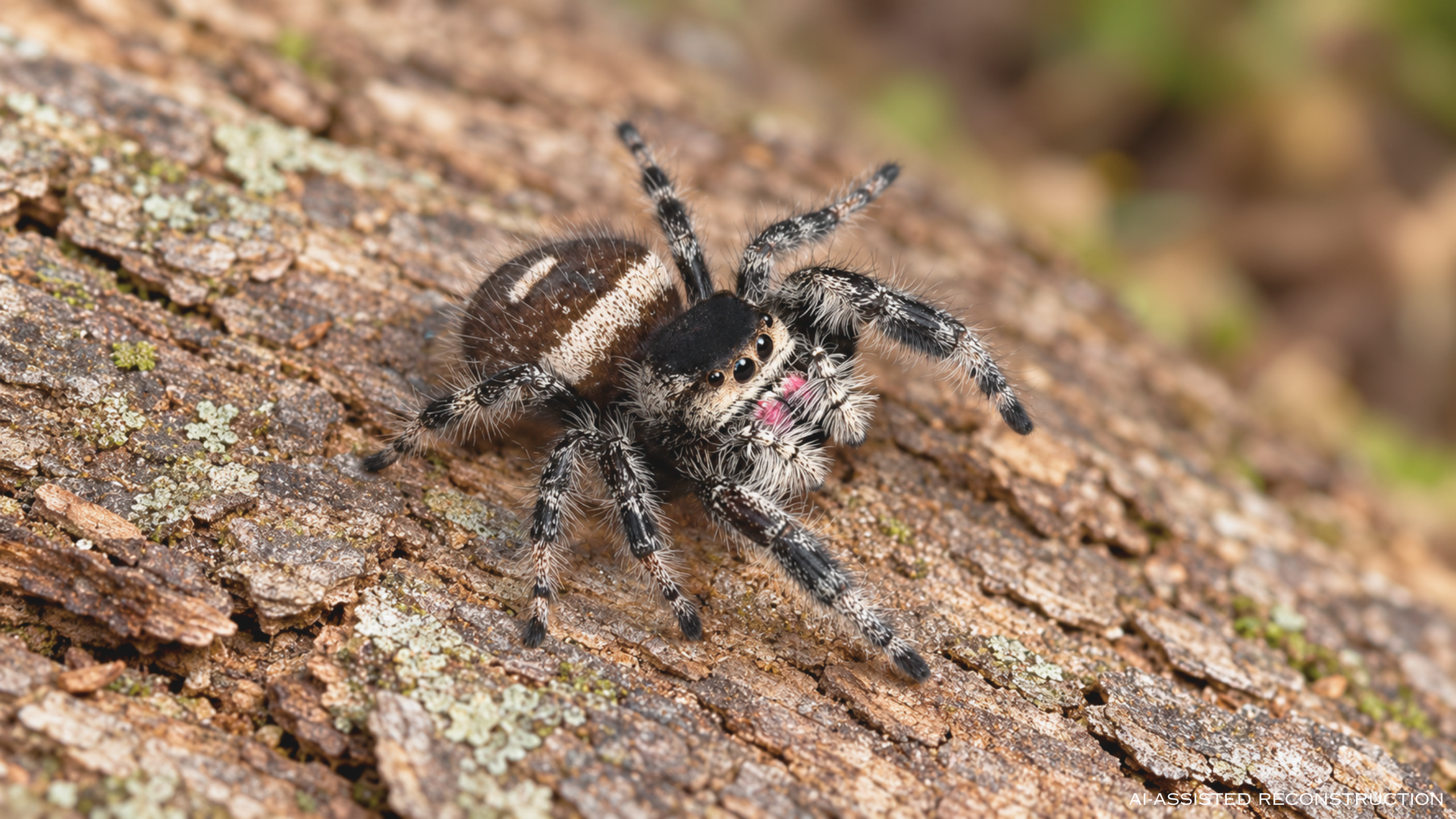
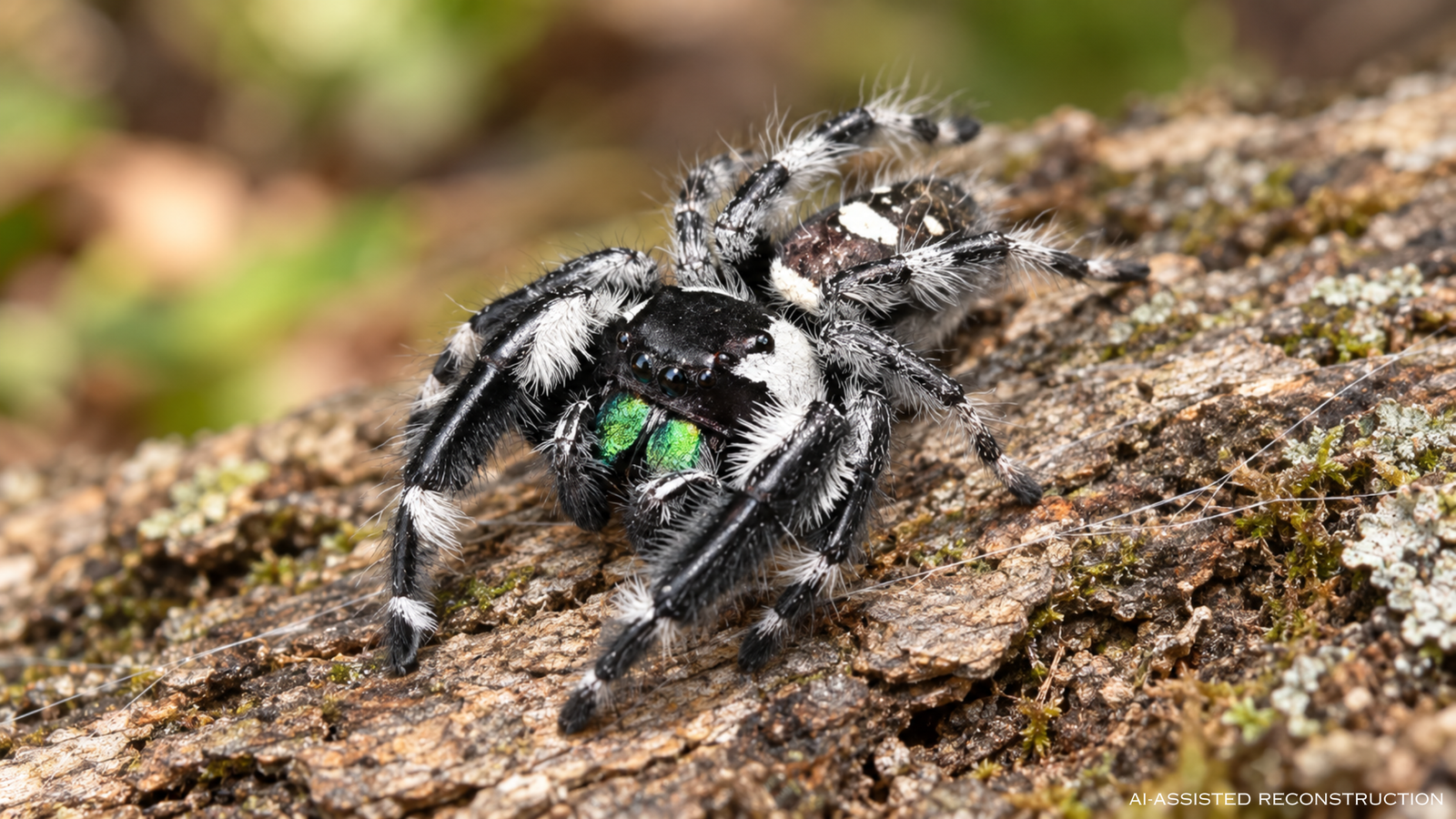
Few spiders are as visually engaging as Phidippus regius. Its prominent eyes, iridescent chelicerae, and precise jumping ability belong to an active hunter that tracks and captures prey without a conventional capture web. Males are predominantly black and white, while females may display striking orange, tan, gray, or brown coloration.

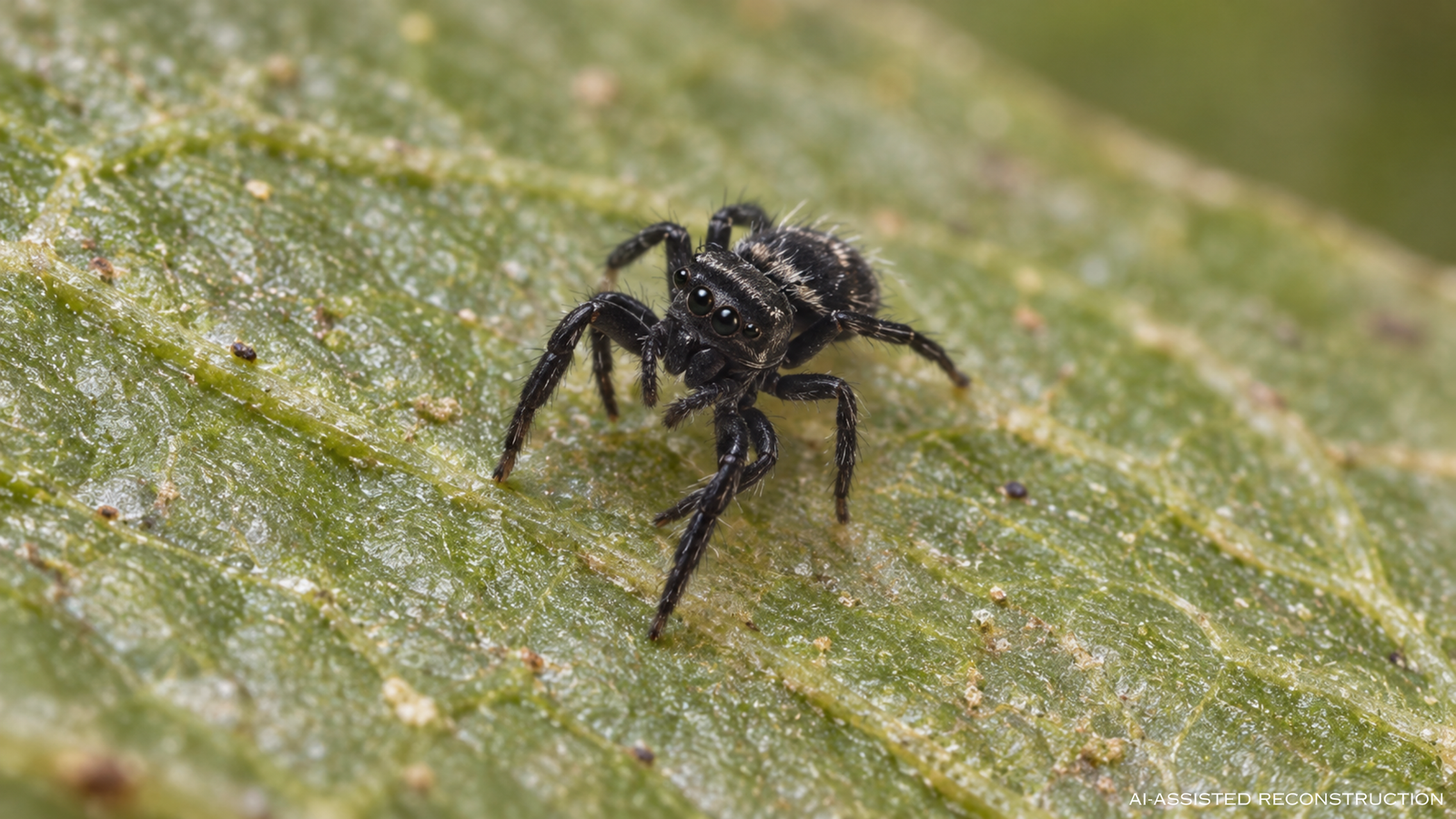
But its appeal goes beyond appearance. This species uses elaborate courtship displays, explores its surroundings, and can overpower surprisingly large prey. Its often calm, inquisitive behavior makes it especially rewarding to observe. Raising spiderlings, however, reveals a more delicate side that demands careful feeding and hydration.
Natural History & Behavior

Distribution

Native to the southeastern United States and the Caribbean, including the Bahamas and Greater Antilles. Particularly common in Florida, Phidippus regius occupies open habitats, woodland edges, and vegetation around human structures. An introduced population has also been recorded on Easter Island.

Habitat

This species thrives in fields, shrubland, open woodland, and areas with abundant vegetation. Young spiderlings occupy grasses and low plants, while larger juveniles and adults favor palms, shrubs, and trees. Elevated leaves and branches provide hunting platforms, while folded foliage and sheltered crevices offer protection for resting, molting, and reproduction.

Defensive Behavior

Phidippus regius usually responds to disturbance by jumping away, retreating, or moving rapidly to safety. Its excellent vision allows it to detect approaching objects before physical contact occurs. Although generally calm, individuals may bite when trapped or forcibly restrained. Sudden jumps and escape attempts are more common concerns during maintenance. Its curious behavior makes it enjoyable to observe, but handling should remain gentle, optional, and carefully controlled.

Webbing & Burrowing

Unlike spiders that rely on capture webs, Phidippus regius actively hunts its prey. Silk serves a different purpose. A dragline provides security during jumps, while compact silk retreats offer shelter for resting, molting, and reproduction. Spiderlings commonly build small hammocks among leaves and elevated surfaces. As they grow, juveniles and adults establish more substantial retreats within foliage, crevices, and other protected areas. In captivity, these shelters often appear near the enclosure's upper corners. A spider remaining inside for several days may be preparing to molt rather than showing signs of illness. This species does not burrow and makes an excellent display animal during its active daylight hours.

Species Details

Temperament

Calm

Lifespan

Females commonly live approximately 1–2 years in captivity, sometimes longer. Males generally have shorter lifespans, particularly after reaching sexual maturity. These are practical captive estimates, with individual longevity influenced by development and environmental conditions.

Taxonomy

Animalia > Arthropoda > Arachnida > Araneae > Salticidae > Salticinae > Phidippus > Phidippus regius

Husbandry

Enclosure

Newly independent spiderlings can be established in small, secure containers. In repeated captive-rearing experience, 10 mL hinged cups with fine ventilation holes have worked well during early development. Openings can be made using a fine pin or similar tool, ensuring they remain too small for escapes. As juveniles grow, gradually increase enclosure size. Containers ranging from approximately 3.5 oz (100 mL) to 250 mL can accommodate developing specimens before they require larger housing. Adults benefit from vertically oriented enclosures measuring approximately 4 × 4 × 6 inches (10 × 10 × 15 cm) or larger. Provide cross-ventilation, textured climbing surfaces, and secure attachment points for silk retreats. Front- or side-opening enclosures are particularly useful because this species frequently nests near the top.

Substrate

Deep substrate is unnecessary because Phidippus regius spends most of its time climbing and hunting above ground. Simple spiderling setups can use clean tissue, a small amount of moss, and secure attachment points. This approach provides accessible hydration while keeping the enclosure easy to maintain. As juveniles grow, introduce textured cork, twigs, and foliage. Keep the substrate clean and prevent excess moisture from accumulating. For this species, vertical structure and reliable ventilation matter more than substrate depth.

Feeding

Raising Phidippus regius becomes challenging when spiderlings begin feeding independently. These visual hunters respond strongly to moving prey, making tiny live feeders particularly useful. Flightless fruit flies are commonly used, while small buffalo worms have also worked well in repeated captive breeding. The second through fourth instars are especially delicate. Offer appropriately sized prey two or three times weekly, adjusting to appetite and body condition. Once juveniles can reliably capture Blatta lateralis nymphs, feeding generally becomes easier. Don't underestimate their hunting ability. Established specimens can overpower surprisingly large prey, including other spiders. Captive feeding should still prioritize manageable insects that minimize injury risks.

Water

Tiny spiderlings need water, but oversized droplets can become dangerous. Surface tension may trap very small spiderlings, putting them at risk of drowning. Use a fine-mist sprayer to create tiny droplets on an enclosure wall, avoiding direct contact with the spider or its silk retreat. A small ball of clean, moistened tissue also provides an accessible drinking source, an approach used successfully in captive rearing. Check hydration regularly and replace soiled tissue. These active hunters need reliable access to water, but their enclosures should never remain constantly wet.

Molting

Premolt commonly involves reduced appetite, decreased activity, and prolonged retreat into a dense silk hammock. Spiderlings may remain concealed for several days while preparing to shed their exoskeleton. The second through fourth instars can be particularly delicate. Reliable hydration, suitable ventilation, and freedom from disturbance are especially important during these early molts. Once the spider seals its retreat, remove uneaten prey and avoid opening the silk. After molting, allow the exoskeleton and mouthparts to harden before offering food again.

Breeding & Reproduction

Breeding Phidippus regius can be relatively straightforward with receptive adults, although individual responses vary. Males begin with elaborate courtship displays, approaching cautiously as the female permits. In repeated captive pairings, successful mating has been observed within approximately 5–15 minutes of accepted courtship. But producing an egg sac is only the beginning. Females can produce multiple sacs following mating, with later batches often becoming smaller. One captive female produced four sacs, although the final sac yielded only two surviving spiderlings. The greatest challenge often comes after emergence. Raising delicate early instars requires suitably sized live prey, careful hydration, and consistent monitoring until juveniles can capture larger feeders reliably.

Life Stage Comparison

Male
Spiderling

EXPLORE

Species
News
Community
Collections

LEARN

Beginner Guides
Care Guides
Species Database
FAQ

SHOP & VISIT

Shop
Live Invertebrates
Visit Our Store
About ArachNeeds
Contact Us
© ArachNeeds
Privacy Policy · Terms · Shipping & Returns