
ArachNeeds — Philippine Invertebrate Platform
← Back to Species Database

Australian Giant Centipede

Ethmostigmus rubripes

Australia’s largest native centipede combines remarkable color variation, powerful hunting behavior, and adaptability across contrasting habitats.

LIFESTYLE: Terrestrial
DIFFICULTY: Advanced
ADULT SIZE: 5–7 inches (13–18 cm)
GROWTH RATE: Moderate
TEMPERATURE: 24–26°C (75–79°F)
HUMIDITY: 60–90% RH for rainforest forms; provide a moisture gradient.

About This Species

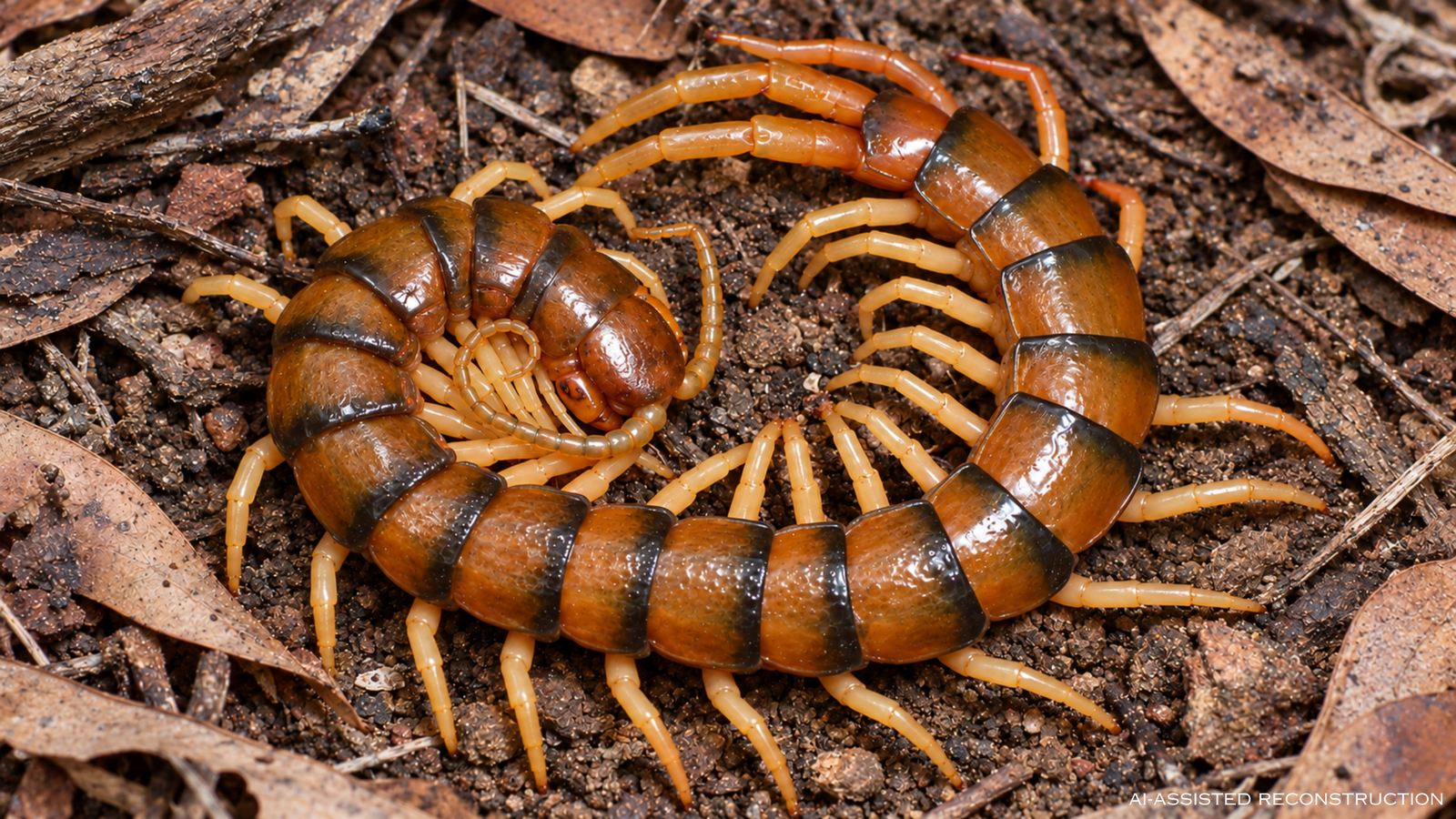
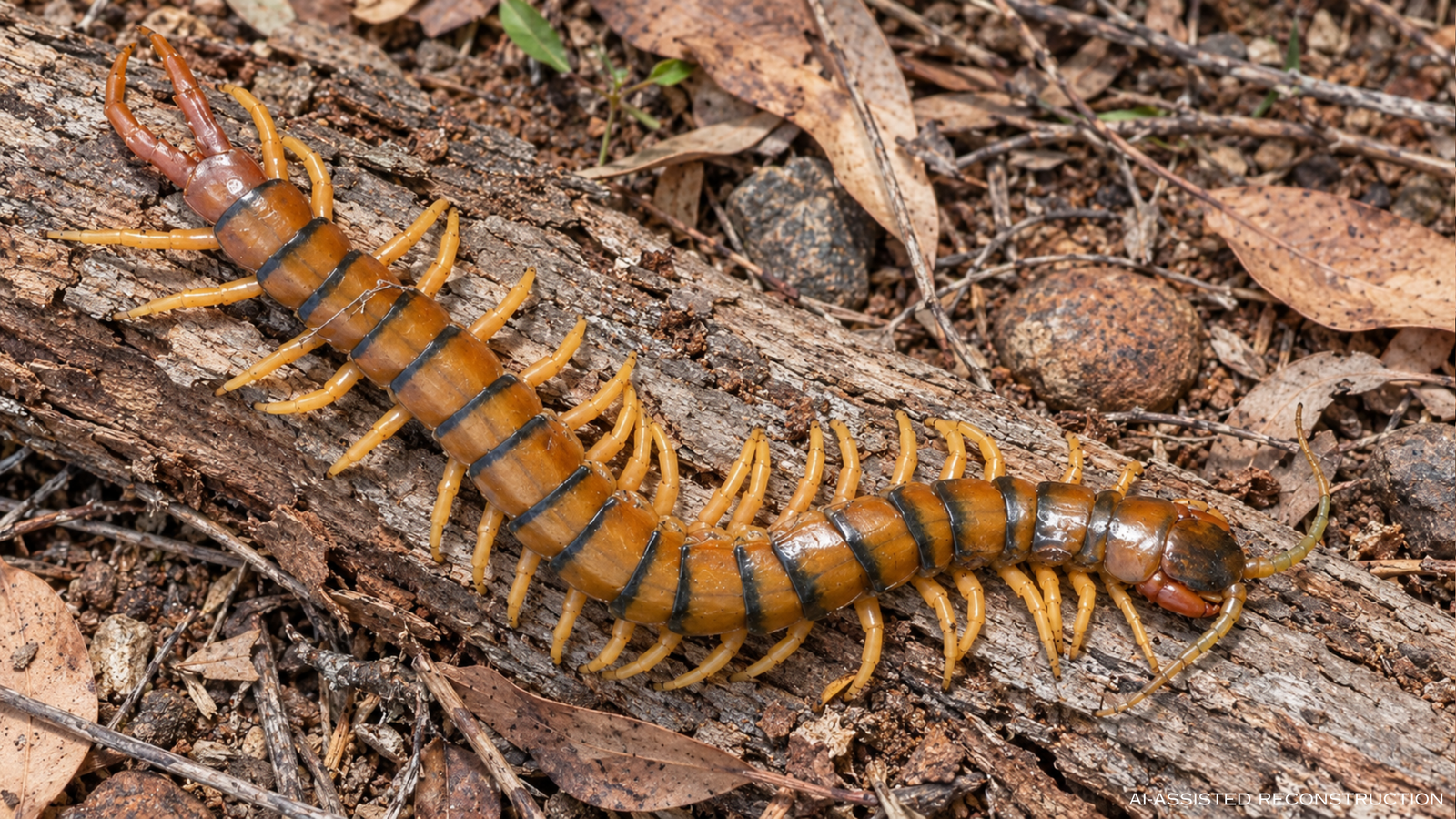
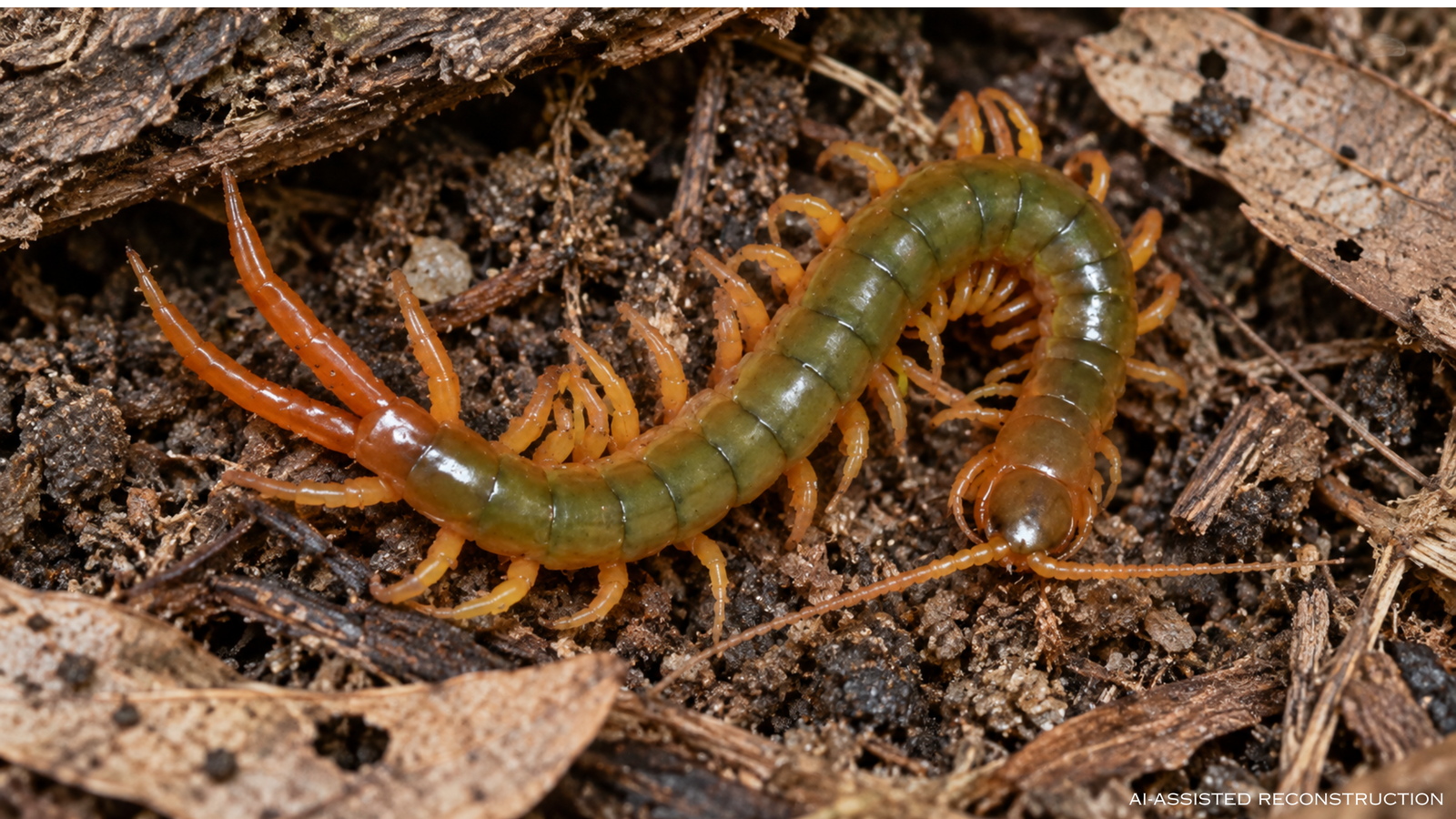
Australia's largest native centipede is not one uniform-looking animal. Ethmostigmus rubripes occurs in several color forms, ranging from dark green and brown to orange, yellow, and distinctly banded individuals.

Its appearance tells only part of the story. This nocturnal predator can remain motionless to ambush prey or actively search through vegetation and ground cover. Sensitive antennae help locate potential meals, while powerful legs and venom-bearing forcipules secure the catch. Its ability to occupy both humid forests and dry inland habitats makes it a particularly interesting example of centipede adaptability.
Natural History & Behavior

Distribution

Widespread across mainland Australia, from tropical northern regions to temperate and arid environments farther south. Several geographic forms display distinct coloration. Historical records attributed to E. rubripes outside Australia require careful interpretation following recent taxonomic research.

Habitat

Occupies forests, woodlands, heathlands, and dry inland environments. Usually shelters beneath rocks, fallen timber, bark, or within soil cavities. Despite these contrasting habitats, access to sheltered microhabitats remains important. Even populations from dry environments retreat into protected spaces that retain moisture.

Defensive Behavior

Generally attempts to escape disturbance, but may bite when cornered, restrained, or handled. Its venom-bearing forcipules can cause intense localized pain and swelling. Responses vary between individuals, and a retreating specimen can reverse direction quickly. Avoid direct handling. Use secure catch containers and appropriate tools during maintenance.

Webbing & Burrowing

This species does not produce silk retreats. Instead, it shelters beneath solid cover or burrows into suitable substrate. Young centipedes commonly spend much of their time concealed. Established juveniles and adults may become more visible after dark, particularly while searching for food. Captive visibility varies. Some individuals readily patrol their enclosures, while others remain hidden for extended periods. Provide suitable shelter rather than forcing surface activity.

Species Details

Temperament

Defensive

Lifespan

Approximately 3–5 years in captivity. Reliable male-versus-female longevity estimates are not well established.

Taxonomy

Animalia > Arthropoda > Chilopoda > Scolopendromorpha > Scolopendridae > Otostigminae > Ethmostigmus > Ethmostigmus rubripes

Husbandry

Enclosure

Begin with a compact, escape-proof container that offers adequate substrate depth, ventilation, and a secure retreat. Increase floor space as the centipede grows. An adult enclosure around 12 × 8 inches (30 × 20 cm) provides a practical starting point, with additional height for substrate and safe clearance. Use tightly secured lids and inspect ventilation openings carefully. Centipedes can exploit small gaps and climb enclosure seams. House specimens individually.

Substrate

A mixture of coco fiber and pesticide-free topsoil provides suitable structure for burrowing and moisture retention. Give juveniles enough depth to establish sheltered retreats, increasing it as they grow. Add cork bark, leaf litter, or flat pieces of bark for surface cover. Maintain a moisture gradient. Rainforest forms generally require more consistently damp conditions, while inland forms benefit from a comparatively drier surface with access to a moist refuge. Avoid saturated, stagnant substrate.

Feeding

Newly independent juveniles can begin with small crickets, roach nymphs, or suitable pieces of freshly pre-killed insect prey if accepted. Increase feeder size as the centipede grows. Established individuals readily hunt crickets, cockroaches, and other appropriately sized invertebrates. They may alternate between active hunting and ambush behavior. Feeding response can therefore vary with temperature, recent meals, and molting condition. Offer manageable portions, monitor body condition, and remove leftovers promptly. Vertebrate prey is unnecessary for routine captive feeding.

Water

Small juveniles should have reliable access to moisture through appropriately damp substrate and tiny accessible droplets. Lightly moisten one section of the enclosure without saturating the entire substrate. Rainforest forms may require more frequent moisture maintenance than inland populations. Introduce a stable, shallow water dish as the centipede grows. Keep it clean and ensure that drinking water does not replace suitable substrate moisture.

Molting

Approaching molts may be indicated by reduced feeding, darker coloration, and extended periods inside a sheltered retreat. The centipede usually molts underground or beneath secure cover. Do not dig it out or disturb its refuge. Remove uneaten live feeders and maintain appropriate moisture. After shedding, the pale new exoskeleton remains vulnerable until it hardens. Resume feeding when normal movement and hunting responses return.

Breeding & Reproduction

Breeding Ethmostigmus rubripes is achievable in captivity, but identifying sexes and introducing adults safely remain challenges. The most interesting stage begins after egg laying. Females coil around their clutch, protecting the eggs and later the pale, dependent young. Australian captive breeder Minibeast Wildlife reports approximately 20–40 eggs per clutch, with incubation around 40–50 days and continued maternal attendance afterward. These are documented breeder estimates, not universal figures for every geographic form. Avoid disturbing the brood chamber. Once juveniles disperse and begin independent activity, separate them into suitable individual enclosures.

Life Stage Comparison

Male
Juvenile

EXPLORE

Species
News
Community
Collections

LEARN

Beginner Guides
Care Guides
Species Database
FAQ

SHOP & VISIT

Shop
Live Invertebrates
Visit Our Store
About ArachNeeds
Contact Us
© ArachNeeds
Privacy Policy · Terms · Shipping & Returns