ArachNeeds — Philippine Invertebrate Platform
← Back to Species Database

Antilles Pinktoe

Caribena versicolor

Native to Martinique, Caribena versicolor is an arboreal tarantula that constructs elevated silk retreats. But successful husbandry involves more than providing height. Secure climbing structures, reliable access to water, and excellent ventilation are equally important.

Lifestyle: Arboreal
Difficulty: Intermediate
Adult Size: 5–6 in (12.7–15.2 cm) DLS
Growth Rate: Moderate to fast
Temperature: 24–29°C (75–84°F)
Humidity: Moderate (excellent cross-ventilation essential)

About This Species

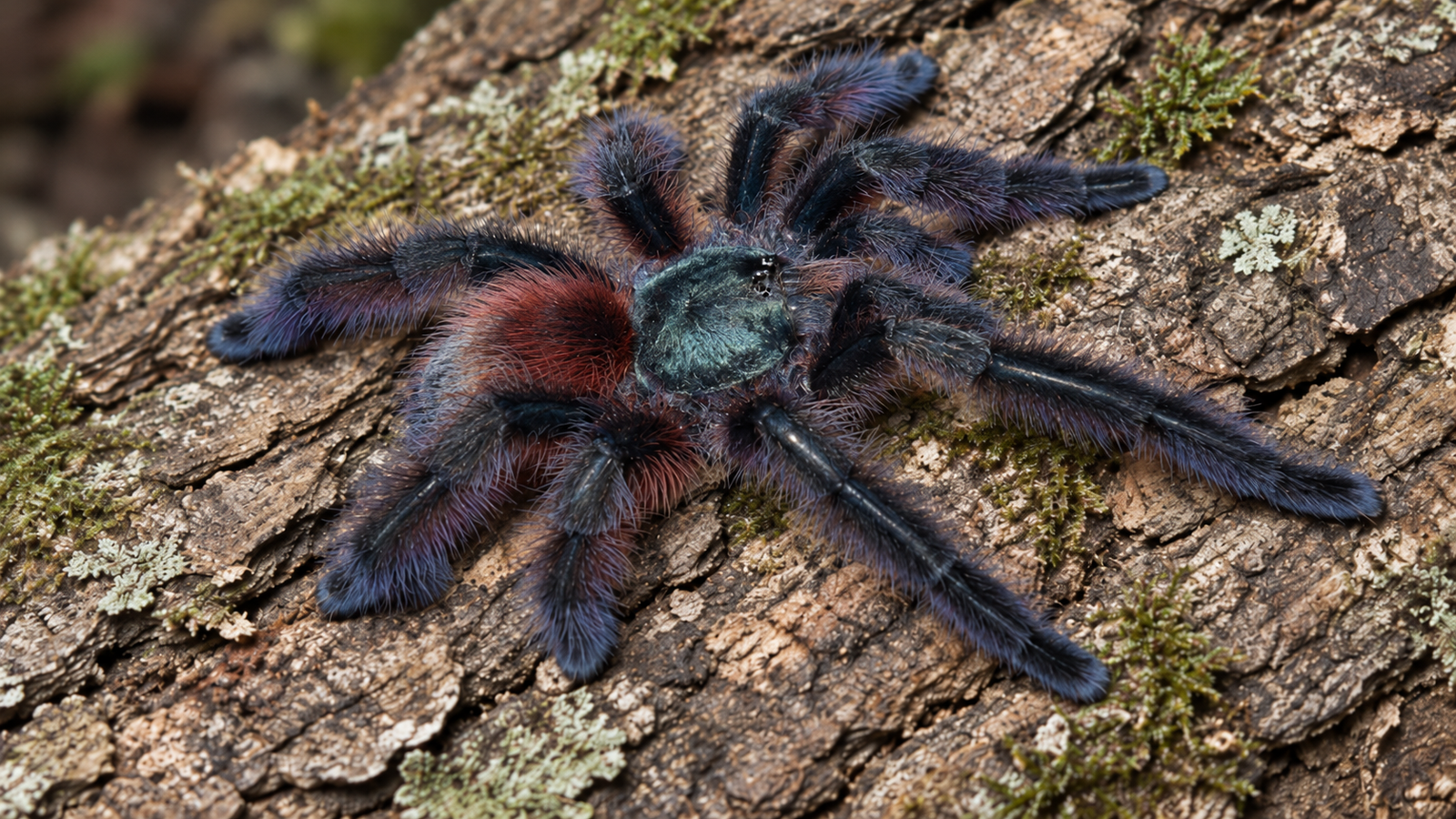
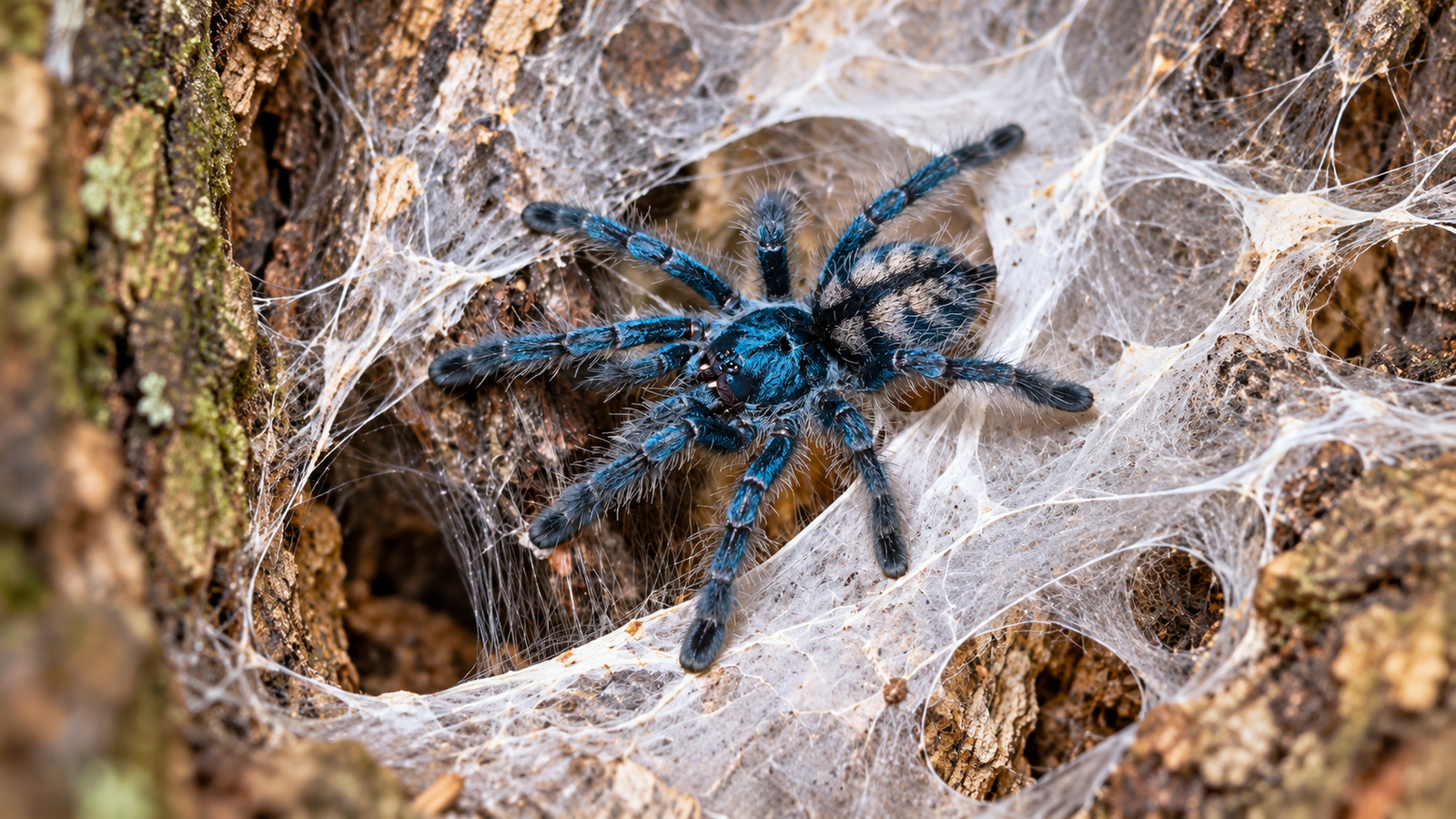
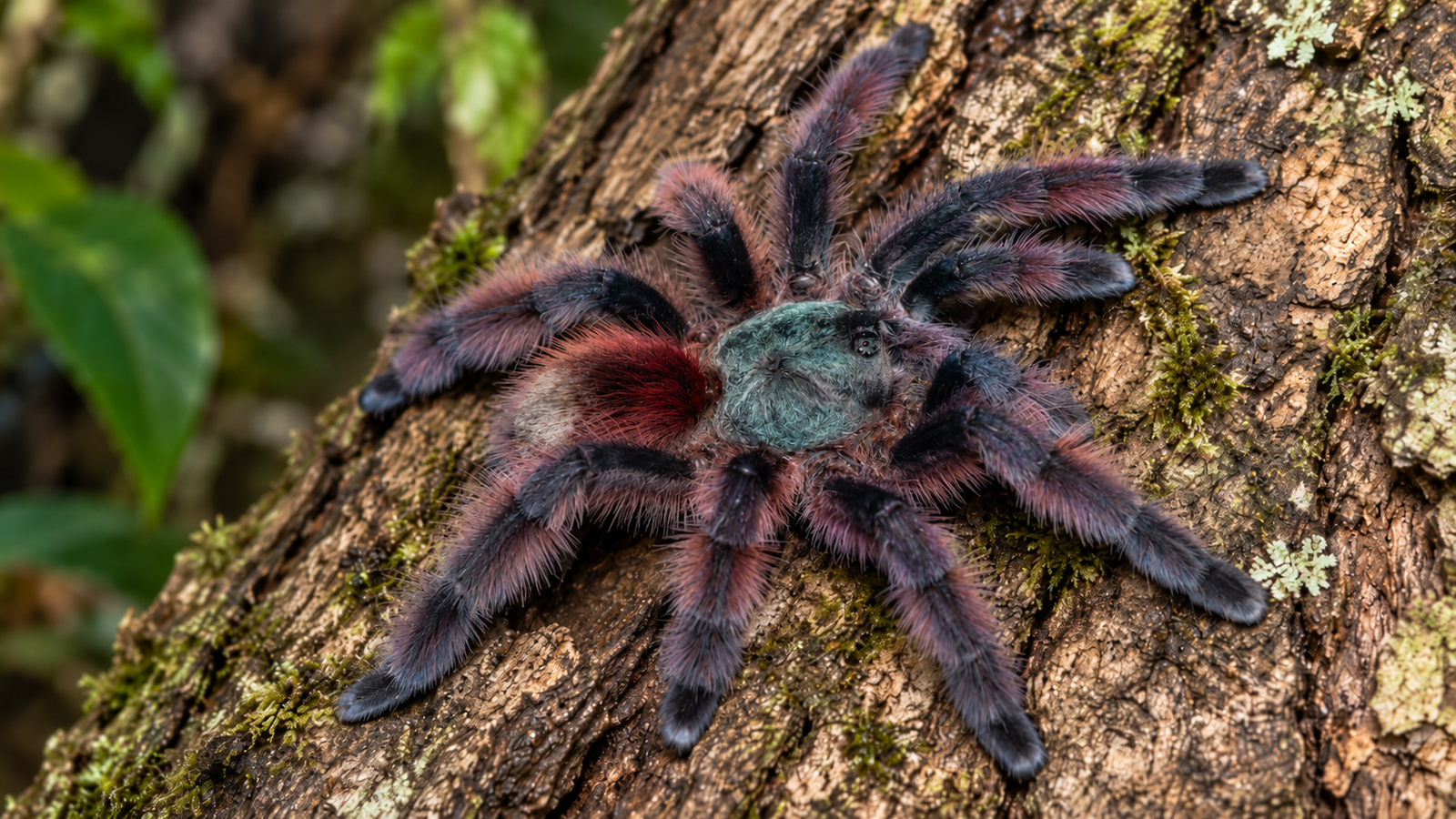
Caribena versicolor is a striking arboreal tarantula native to Martinique, best known for its dramatic color changes throughout development. Spiderlings begin with vivid blue coloration before gradually developing the green, red, purple, and pink tones associated with mature specimens. It is an active webbing species that typically establishes elevated retreats and makes extensive use of vertical structure. Its combination of appearance, visible behavior, and manageable husbandry has made it one of the most recognizable arboreal tarantulas in the hobby.

Natural History & Behavior

Distribution

Martinique, Lesser Antilles

Habitat

Arboreal tropical habitat; found in trees, vegetation, tree hollows, under bark, and elevated retreats

Defensive Behavior

Usually, Caribena versicolor chooses movement over confrontation. Retreating or fleeing is more typical than standing its ground. But if heavily provoked or restrained, it can use urticating setae and may bite. Threat displays are possible, just not the usual first response.

Webbing & Burrowing

This is where the species really shows its arboreal nature. Caribena versicolor is a heavy webber, often building dense silk retreats around cork bark, branches, foliage, and other elevated anchor points. Deep burrowing is not typical.

Species Details

Temperament

Calm

Lifespan

Females about 10–12+ years; males about 2–3 years Note: hobby estimate, not strongly documented in primary literature

Taxonomy

Animalia > Arthropoda > Arachnida > Araneae > Theraphosidae > Aviculariinae > Caribena

Husbandry

Enclosure

Think vertical first. Caribena versicolor needs a tall arboreal enclosure with strong cross-ventilation, an upright cork-bark retreat, and several elevated anchor points for webbing. Leave enough open space around the retreat for the spider to move and expand its silk structure as it grows.

Substrate

Use a well-aerated, moisture-retentive substrate such as coco fiber or a soil-based mix. But don’t keep it waterlogged. Slight moisture is useful, especially for younger specimens, while stagnant and constantly wet conditions should be avoided.

Feeding

Offer appropriately sized insects such as roaches, crickets, or similar feeder prey. Younger specimens usually feed more frequently, while adults can be fed less often. Here’s the better guide: watch body condition and feeding response rather than following a rigid calendar.

Water

Keep a clean water dish available for established juveniles and adults and refill it regularly. Younger specimens may also drink droplets from webbing or enclosure walls. But here’s the important part: misting should support hydration, not turn the enclosure constantly wet or stagnant.

Molting

Premolt usually brings reduced appetite, heavier webbing, darker coloration, and lower activity. Once those signs appear, stop feeding and remove uneaten prey. Then give the spider time. Avoid disturbing the enclosure during the molt, and do not resume feeding until the new exoskeleton and fangs have fully hardened.

Breeding & Reproduction

Pairing is generally straightforward when the female is receptive, with courtship communicated through tapping and vibrations transmitted through the web. Females construct and guard the egg sac within their silken retreat. What makes the process interesting is its variability. Captive breeding records commonly produce around a hundred spiderlings, although final numbers can vary significantly between sacs. Documented examples include 84, 100+, and 112 surviving young, showing why brood size is better treated as a range rather than a fixed expectation.

Life Stage Comparison

Mature Male
Spiderling

EXPLORE

Species
News
Community
Collections

LEARN

Beginner Guides
Care Guides
Species Database
FAQ

SHOP & VISIT

Shop
Live Invertebrates
Visit Our Store
About ArachNeeds
Contact Us
© ArachNeeds
Privacy Policy · Terms · Shipping & Returns