
ArachNeeds — Philippine Invertebrate Platform
← Back to Species Database

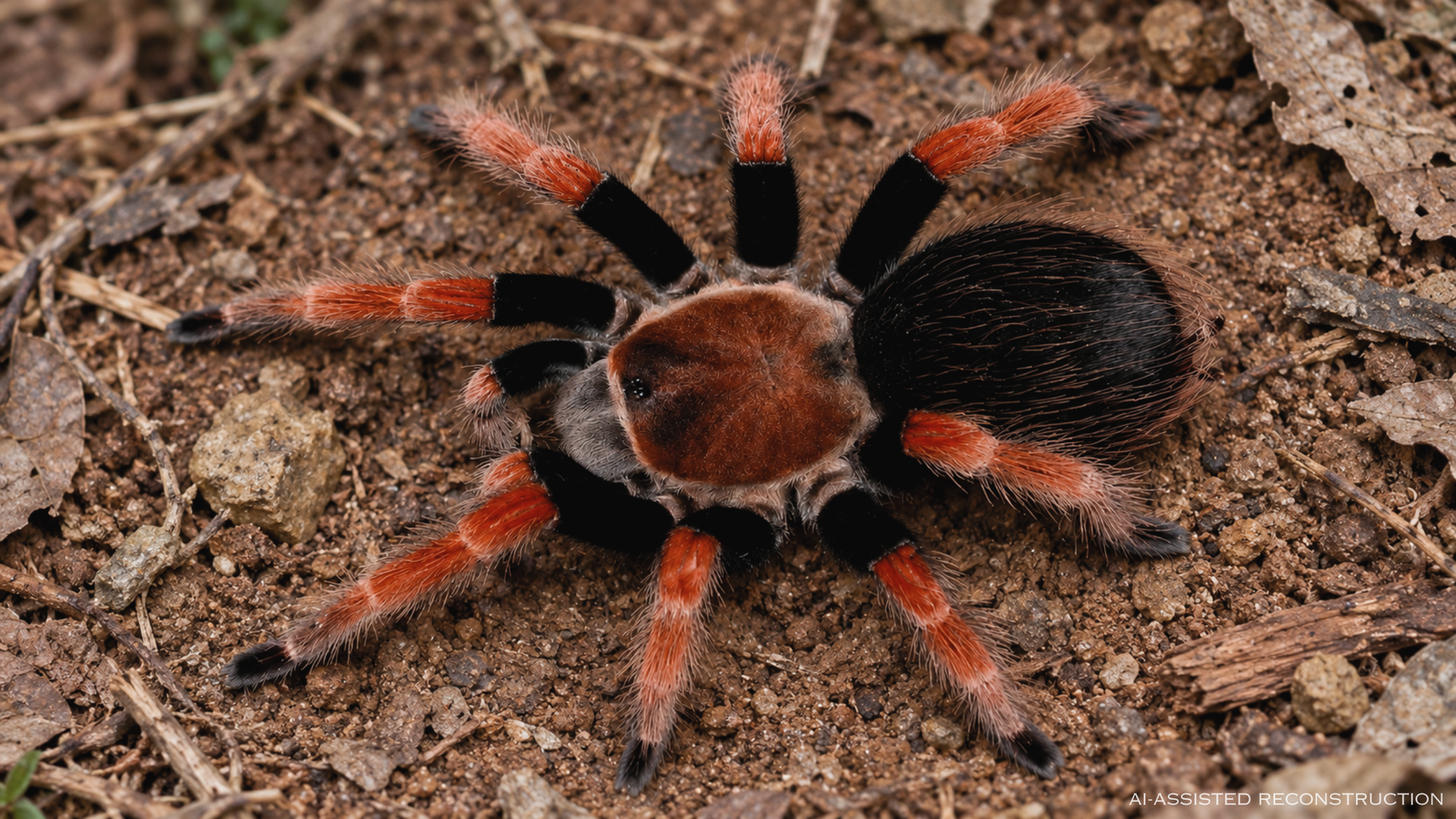
Mexican Fireleg Tarantula

Brachypelma boehmei

A striking Mexican terrestrial known for its fiery orange-red legs, defensive urticating hairs, natural burrowing behavior, and remarkable lifespan.

LIFESTYLE: Terrestrial
DIFFICULTY: Beginner
ADULT SIZE: Approximately 5–6 in (13–15 cm) diagonal leg span.
GROWTH RATE: Slow to medium.
TEMPERATURE: 24–29°C (75–84°F)
HUMIDITY: Approximately 50–70% ambient humidity as a general reference, not a fixed target. Maintain good ventilation, predominantly dry surface conditions for established specimens, and localized moisture for spiderlings.

About This Species

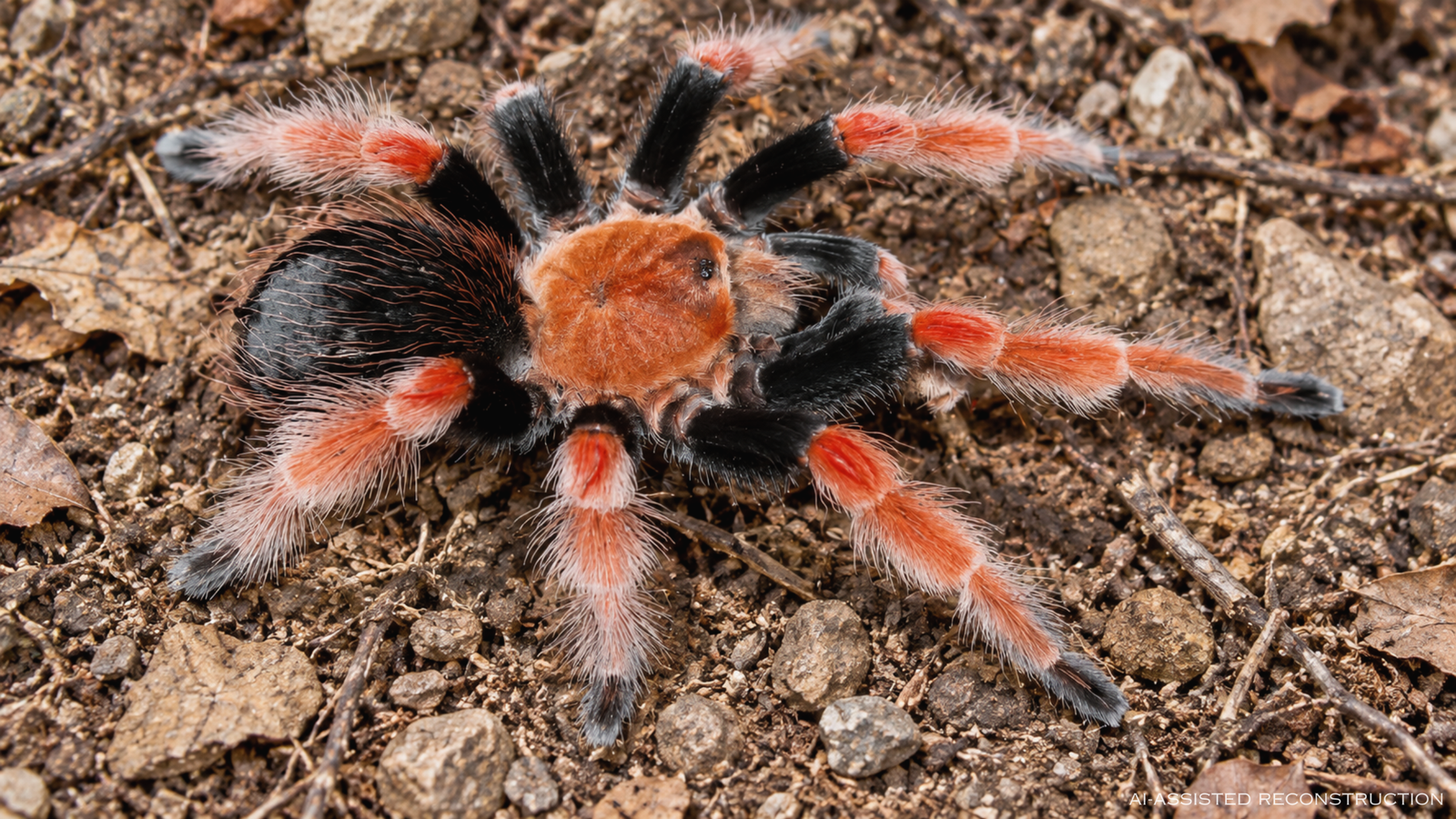
Few Mexican tarantulas display color quite like Brachypelma boehmei. Its fiery orange-red legs, dark body, and contrasting carapace create one of the most recognizable appearances in the genus. Yet behind that striking coloration is a slow-growing, burrow-dwelling predator adapted to the seasonally dry forests of southwestern Mexico.

Appearance, however, is only part of its character.

Although generally manageable in captivity, the Mexican Fireleg can respond quickly to disturbance by releasing urticating hairs. Its long lifespan, natural burrowing behavior, and impressive adult coloration make it a rewarding species for patient keepers who value observation over handling.
Natural History & Behavior

Distribution

Endemic to western Guerrero, Mexico, where it occupies a restricted coastal region of the Sierra Madre del Sur, east of the Balsas River Basin.

Habitat

Seasonally dry tropical forests and thorn scrub, with loose debris, rocks, roots, and natural cavities providing shelter. This ground-dwelling species excavates or modifies burrows and typically emerges around dusk to hunt.

Defensive Behavior

When threatened, Brachypelma boehmei commonly retreats or releases urticating hairs from its abdomen. These hairs can irritate skin and cause serious eye irritation, making unnecessary handling best avoided. A calm-looking spider is not necessarily comfortable with disturbance. Slow movements and a secure retreat are often the best approach during enclosure maintenance.

Webbing & Burrowing

Although *Brachypelma boehmei* naturally uses burrows and sheltered retreats, captivity often reveals a more visible side of this species. Established juveniles and adults frequently remain in the open, making the Mexican Fireleg an excellent display tarantula. And that is part of its appeal. Unlike species that spend much of their time hidden, *B. boehmei* often allows keepers to observe its striking coloration and natural behavior throughout the day. Spiderlings may burrow more frequently, while larger specimens generally produce little webbing. A secure hide and suitable substrate should still be provided.

Species Details

Temperament

Defensive

Lifespan

Females may live 20 years or longer in captivity. Males generally have much shorter lifespans, particularly after maturity.

Taxonomy

Animalia > Arthropoda > Arachnida > Araneae > Theraphosidae > Theraphosinae > Brachypelma > Brachypelma boehmei

Husbandry

Enclosure

Start with a small, ventilated enclosure suited to the spiderling's size. A compact setup with a secure retreat makes feeding, hydration, and monitoring easier during early development. As the spider grows, increase floor space gradually. Juveniles benefit from a low terrestrial enclosure with enough substrate for excavation. Adults require more floor space than height. A setup around 12 × 12 in (30 × 30 cm) provides a practical starting point for many specimens, with a cork-bark hide and limited climbing distance to reduce fall injuries.

Substrate

A compactable soil-based mixture or fine coco peat provides a suitable foundation for burrowing. For spiderlings, keep a small area lightly moist while allowing the remaining substrate to become less damp. This creates a moisture gradient without saturating the enclosure. As the spider develops, gradually increase substrate depth and transition toward predominantly dry conditions. Juveniles and adults benefit from approximately 3–5 in (8–13 cm) of substrate, or more where practical, to support secure retreats.

Feeding

Early development begins with small, manageable prey. Spiderlings can be offered day-old Blatta lateralis nymphs, tiny crickets, or suitably sized feeder worms. Active slings may accept meals two to three times weekly, with adjustments based on appetite and abdomen condition. But feeding should evolve with growth. As juveniles develop, increase prey size and reduce feeding frequency. A well-developed abdomen is a better indicator than a rigid schedule. Adults require less frequent feeding. Offer appropriately sized prey according to body condition, and remove uneaten insects, especially when premolt is suspected.

Water

Very small spiderlings can obtain drinking water from droplets placed on an enclosure wall or a lightly moistened patch of sphagnum moss. Keep moisture localized rather than repeatedly soaking the substrate. As juveniles grow, introduce a shallow water dish and gradually establish the drier adult routine. Subadults and adults should have continuous access to clean drinking water. Reliable hydration and ventilation matter more than maintaining a constantly humid enclosure.

Molting

Premolt commonly begins with reduced appetite, lower activity, and increased retreat use. Darkening abdominal skin may become visible as the next molt approaches. Once these signs appear, remove uneaten prey and avoid disturbance. Small spiderlings should retain access to localized moisture, while larger specimens should have clean drinking water available. After molting, allow the exoskeleton and fangs to harden fully before feeding again. Recovery takes longer in larger specimens. Patience is often the most important part of successful molt management.

Breeding & Reproduction

Breeding Brachypelma boehmei can be moderately challenging. Pairing may be straightforward, but producing a viable egg sac is less predictable. Female condition, seasonal cues, and the timing of reproduction can all influence the outcome. The impressive part comes after mating. One documented captive breeding produced 649 second-instar spiderlings following a single pairing in January 2010. This was an individual breeding result, not an average clutch size. In nature, mating activity generally follows the late rainy season into the dry months, with egg sacs developing during the drier period.

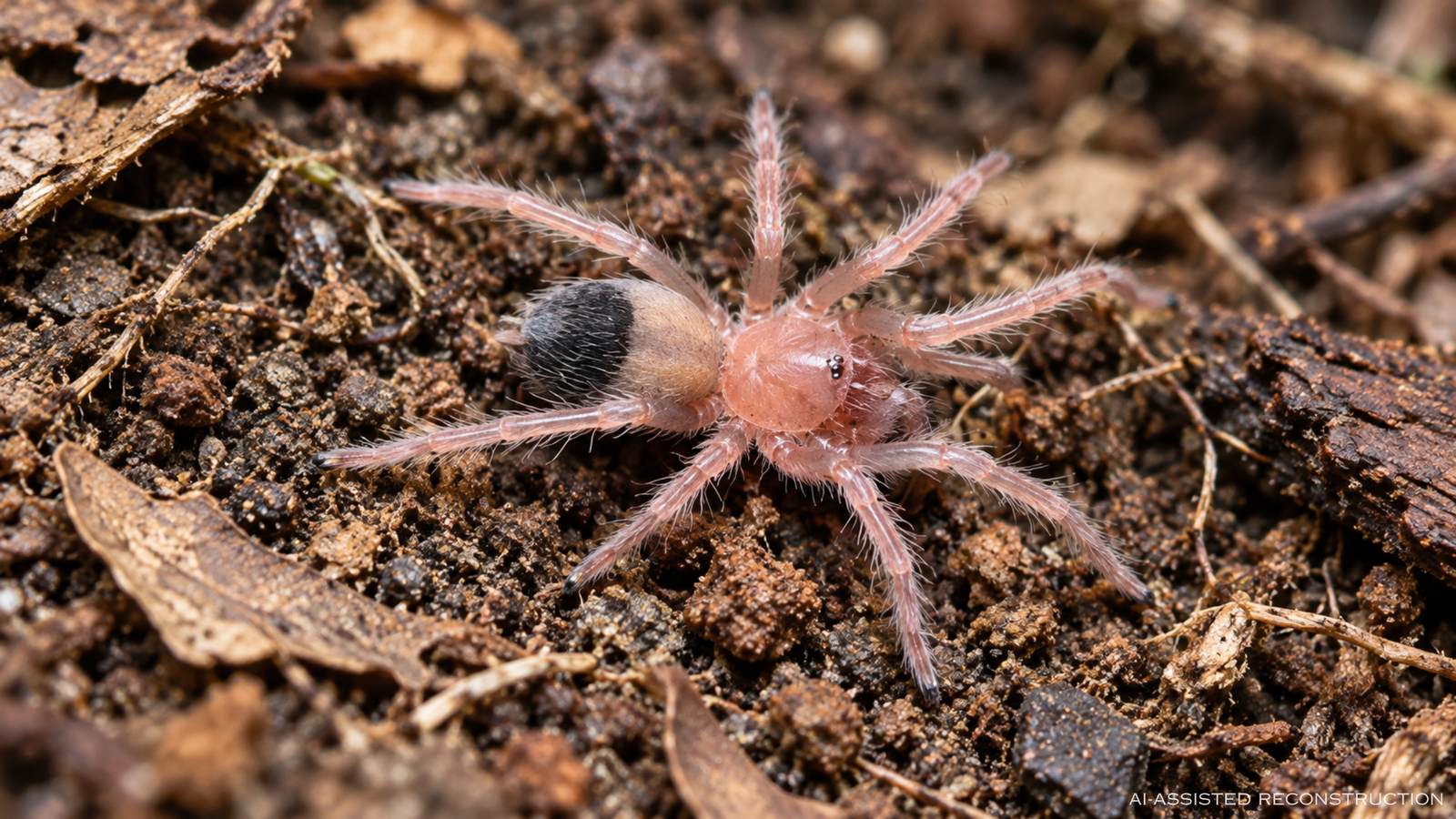
Life Stage Comparison

Male
Spiderling

EXPLORE

Species
News
Community
Collections

LEARN

Beginner Guides
Care Guides
Species Database
FAQ

SHOP & VISIT

Shop
Live Invertebrates
Visit Our Store
About ArachNeeds
Contact Us
© ArachNeeds
Privacy Policy · Terms · Shipping & Returns