
ArachNeeds — Philippine Invertebrate Platform
← Back to Species Database

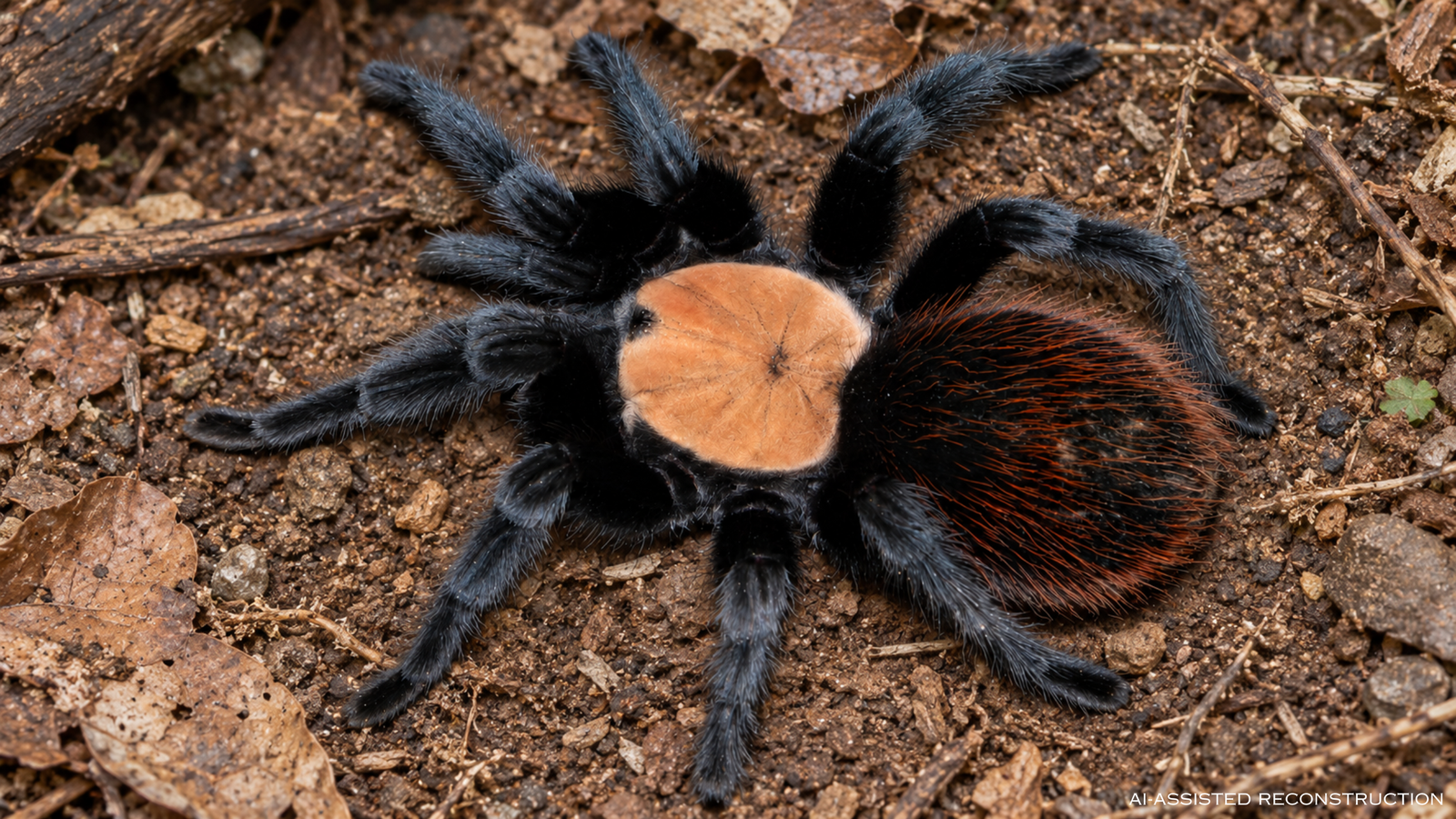
Mexican Golden Red Rump Tarantula

Brachypelma albiceps

A distinctive Mexican tarantula with a golden carapace, dark legs, and reddish abdominal hairs, combining natural burrowing habits with excellent display potential.

LIFESTYLE: Terrestrial
DIFFICULTY: Beginner
ADULT SIZE: 5–6 inches (13–15 cm) leg span
GROWTH RATE: Slow - Moderate
TEMPERATURE: 22–27°C (72–81°F)
HUMIDITY: No established RH target; mostly dry surface, localized moisture, and good ventilation.

About This Species

Among Mexico's colorful tarantulas, Brachypelma albiceps has an identity of its own. Rather than displaying the bright orange leg markings of its relatives, it features a golden carapace, velvet-black legs, and an abdomen covered in reddish hairs. The contrast makes it one of the most recognizable members of the genus.

But its appearance tells only part of the story. Although naturally associated with burrows and concealed retreats, established specimens often become remarkably visible in captivity. Many spend extended periods outside their hides, revealing a generally calm, deliberate character. This combination of distinctive coloration and observable behavior makes B. albiceps especially appealing to keepers.
Natural History & Behavior

Distribution

Endemic to central Mexico, Brachypelma albiceps is documented from Morelos, southern México State, northern and eastern Guerrero, and western Puebla. Its distribution includes subtropical dry forests and neighboring upland habitats where suitable soil and natural shelter are available.

Habitat

This species inhabits subtropical dry forests, pine-oak woodland margins, and areas bordering cultivated land. It establishes retreats beneath rocks, exposed roots, and dense vegetation, often modifying existing cavities or excavating its own burrows. These shelters provide protection from predators and seasonal environmental extremes, allowing the spider to remain concealed during unfavorable conditions.

Defensive Behavior

When disturbed, Brachypelma albiceps commonly retreats or releases urticating hairs from its abdomen. Persistent provocation may trigger defensive posturing, although biting is generally a last resort. Its usually calm disposition does not eliminate the need for caution. Providing a secure retreat and minimizing unnecessary disturbance reduces defensive responses and exposure to irritating hairs.

Webbing & Burrowing

In nature, Brachypelma albiceps is closely associated with underground retreats and sheltered cavities beneath rocks, roots, and vegetation. Spiderlings commonly excavate small burrows, reinforcing entrances and surrounding substrate with silk. In captivity, however, established individuals often behave differently. Many juveniles and adults spend considerable time outside their retreats, making this species an excellent display tarantula. Others remain more secretive, particularly after rehousing or during premolt. Webbing is generally concentrated around burrow entrances and resting areas rather than forming extensive exposed structures. Even specimens that rarely hide should have sufficient substrate and access to a secure retreat.

Species Details

Temperament

Calm

Lifespan

Females may live approximately 15–20 years in captivity, while males generally have shorter lifespans of around 4–6 years overall. Mature males typically survive for a much shorter period following their final molt. These are practical captive estimates, with individual longevity influenced by development and environmental conditions.

Taxonomy

Animalia > Arthropoda > Arachnida > Araneae > Theraphosidae > Theraphosinae > Brachypelma > Brachypelma albiceps

Husbandry

Enclosure

Begin spiderlings in compact, secure enclosures with adequate ventilation and enough substrate to establish a retreat. Keeping the enclosure proportionate to the spider makes feeding, hydration, and early development easier to monitor. As juveniles grow, gradually increase floor space while retaining suitable substrate depth. Adults do well in low terrestrial enclosures measuring approximately 12 × 8 × 8 inches (30 × 20 × 20 cm) or larger. Prioritize horizontal space, limited climbing height, and a stable hide. A cork-bark retreat provides security without restricting movement, even for individuals that spend most of their time exposed.

Substrate

A firm, well-draining mixture of pesticide-free topsoil and coco peat provides a suitable foundation. A small proportion of clay-rich soil can improve stability where burrowing occurs. Spiderlings benefit from slightly moist lower substrate while establishing their retreats. As they develop, allow the surface to remain predominantly dry while maintaining localized moisture in deeper or sheltered areas. Adults generally do not require continuously damp substrate. Avoid waterlogged conditions, stagnant air, and loose material that cannot support a stable retreat.

Feeding

Newly established spiderlings can be offered appropriately sized prey such as day-old Blatta lateralis nymphs, tiny crickets, or prepared pre-killed insects. Actively feeding slings may accept two or three small meals weekly, depending on appetite and body condition. As juveniles develop, gradually increase prey size while extending feeding intervals. Roaches and crickets remain suitable staples, although temporary food refusal is common during premolt. Established adults require less frequent feeding. Monitor abdominal condition and appetite rather than following a rigid schedule, and remove uneaten prey promptly.

Water

Spiderlings can obtain water from accessible droplets placed along an enclosure wall or a lightly moistened section of substrate. Keep moisture localized and avoid saturating the entire enclosure. As the spider grows, introduce a shallow water dish. Established juveniles and adults should always have access to clean drinking water. Monitor evaporation and substrate conditions according to temperature and ventilation. Reliable hydration is essential, but constantly damp substrate or artificially high humidity is unnecessary for this species.

Molting

Premolt signs include reduced appetite, abdominal darkening, and prolonged inactivity. Some individuals retreat underground and seal their entrances with silk or substrate. Remove uneaten prey and minimize disturbance during this period. Maintain access to water and appropriate localized moisture without soaking the enclosure. After molting, allow the exoskeleton and fangs to harden fully before feeding again. Larger specimens generally require longer recovery periods, making observation more reliable than a fixed timetable.

Breeding & Reproduction

Captive breeding of Brachypelma albiceps is established, but reproductive success requires patience. Its extended maturation period makes coordinating receptive females with mature males an important challenge. Courtship involves vibratory signaling, while the female's response determines whether mating can proceed. The greater uncertainty comes afterward. Successful mating does not guarantee a fertile egg sac, and the influence of seasonal conditions on this species remains insufficiently documented. Some breeders use modest environmental changes, but no specific cooling requirement has been demonstrated. Captive reproduction is documented in Mexican wildlife-management facilities. However, independently verifiable species-specific egg counts and resulting spiderling totals are limited, so precise clutch expectations remain uncertain.

Life Stage Comparison

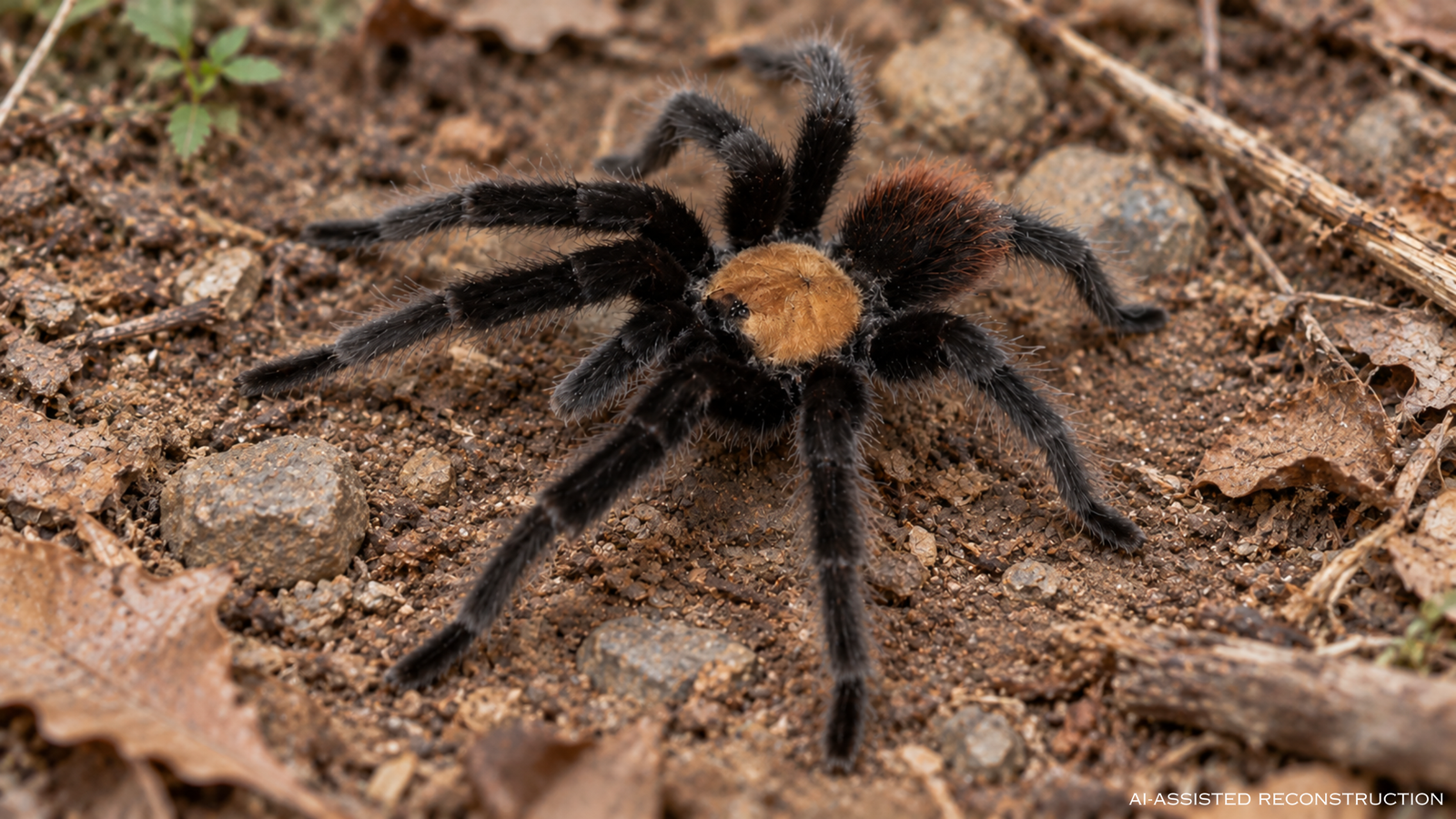
Male
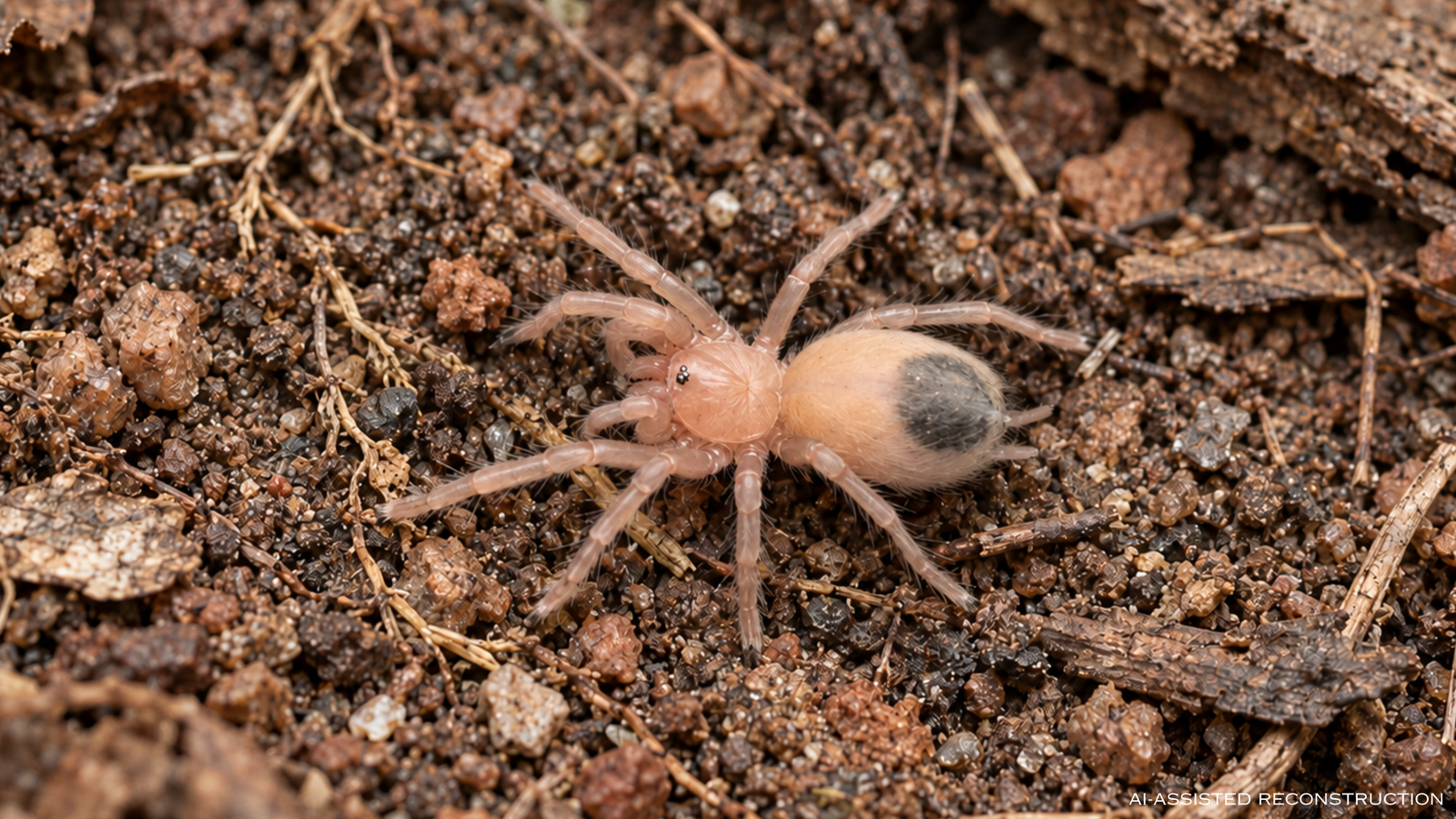
Spiderling

EXPLORE

Species
News
Community
Collections

LEARN

Beginner Guides
Care Guides
Species Database
FAQ

SHOP & VISIT

Shop
Live Invertebrates
Visit Our Store
About ArachNeeds
Contact Us
© ArachNeeds
Privacy Policy · Terms · Shipping & Returns